
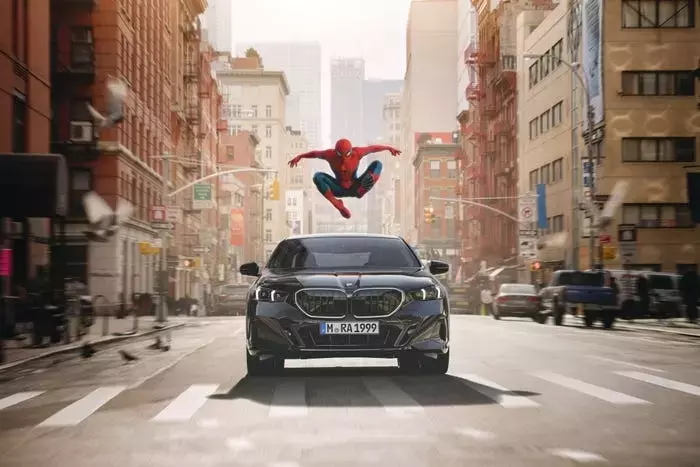
A recent promotional effort by BMW, featuring an advertisement for the latest 'Spider-Man' film, has sparked considerable discussion among its clientele and the wider public. This campaign, a result of a partnership with Marvel, involves displaying an animated sequence featuring Spider-Man on the vehicle's main control display at startup, accompanied by changes in the car's interior lighting. While the German automaker describes these as 'themed animations' rather than conventional advertising, many drivers have expressed reservations, perceiving them as an unwelcome intrusion into their personal vehicle space.
The animated ad, which has been deployed in approximately 70 markets on newer BMW models, showcases a BMW car being driven through a cityscape with Spider-Man swinging alongside. The sequence culminates with Spider-Man pulling the BMW logo downwards, revealing a promotional message for 'Spider-Man: Brand New Day' and its exclusive cinematic release. This move comes after a previous controversy where BMW attempted to introduce a subscription service for heated seats, a feature already physically present in the vehicles. This earlier initiative faced significant public backlash and was subsequently abandoned, with company executives acknowledging missteps in its implementation.
The current 'Spider-Man' campaign has drawn similar criticisms, with many questioning the appropriateness of third-party advertisements in what BMW's own senior vice president for connected company development, Stephan Durach, once referred to as a 'private space.' While BMW has a history of cinematic collaborations, including previous Marvel films and James Bond features, the direct integration of promotional content into the car's operational interface represents a new frontier in automotive marketing. This strategy underscores the ongoing tension between enhancing the in-car digital experience and maintaining the sanctity of the personal driving environment.
As technology continues to merge with everyday life, the boundaries of commercial engagement are constantly being redefined. The debate surrounding BMW's in-car 'Spider-Man' advertisement serves as a crucial reminder of the importance of respecting consumer autonomy and privacy. Companies must carefully consider the impact of such marketing strategies on user experience and brand perception, striving to innovate in ways that genuinely add value without overstepping into intrusive commercialization. Ultimately, the success of such initiatives will depend on their ability to resonate positively with consumers, rather than alienating them through perceived overreach.

Fox's Swift Roku Acquisition: Reshaping the Free Streaming Landscape

Canada's October Job Market: Unexpected Decline and Rising Unemployment
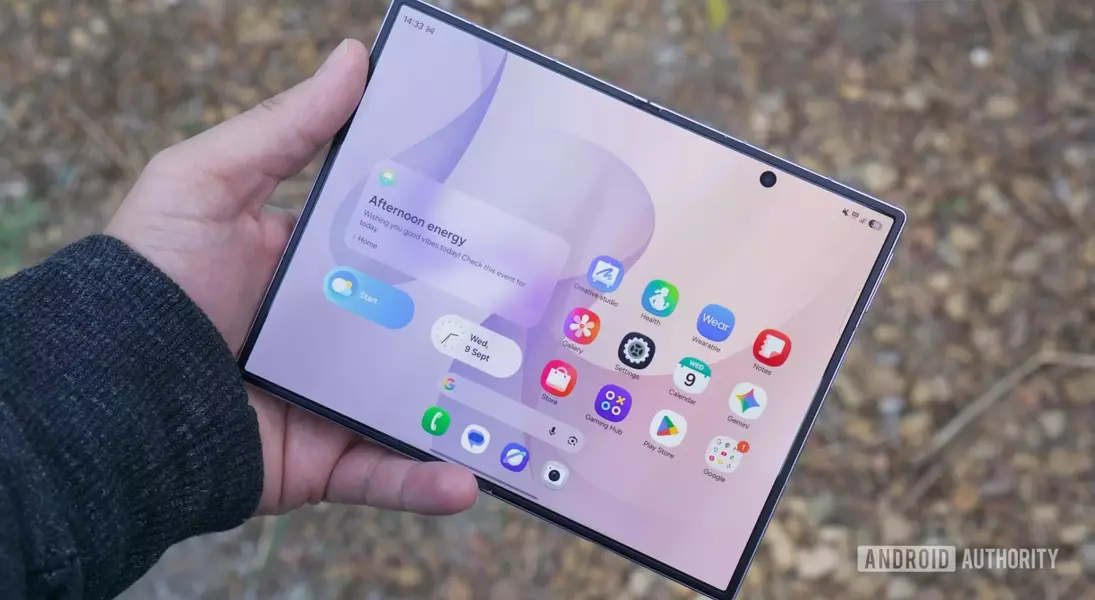
Samsung Galaxy Z Fold 8 Sees Significant Price Drop on Amazon
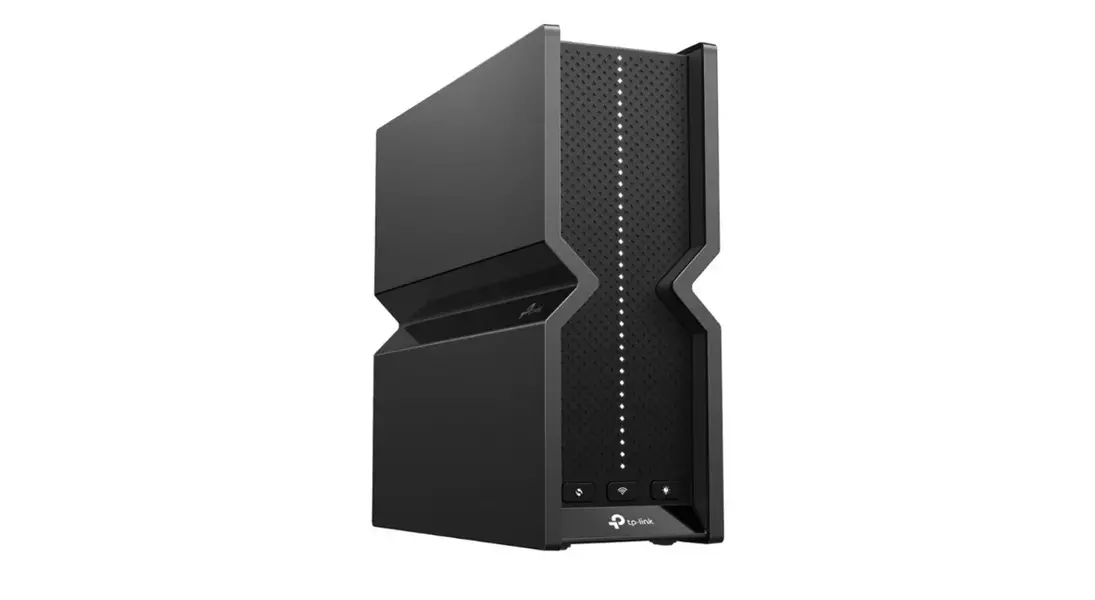
TP-Link Tri-Band Wi-Fi 7 Router Returns to All-Time Low Price

The Financial Strain of College Education on Middle-Class Families

SpaceX's Starlink Mobile Revolutionizes US Connectivity with Low-Band Spectrum and Next-Gen Satellites

NordVPN Basic: Secure Your Digital Life for Less Than £2 a Month
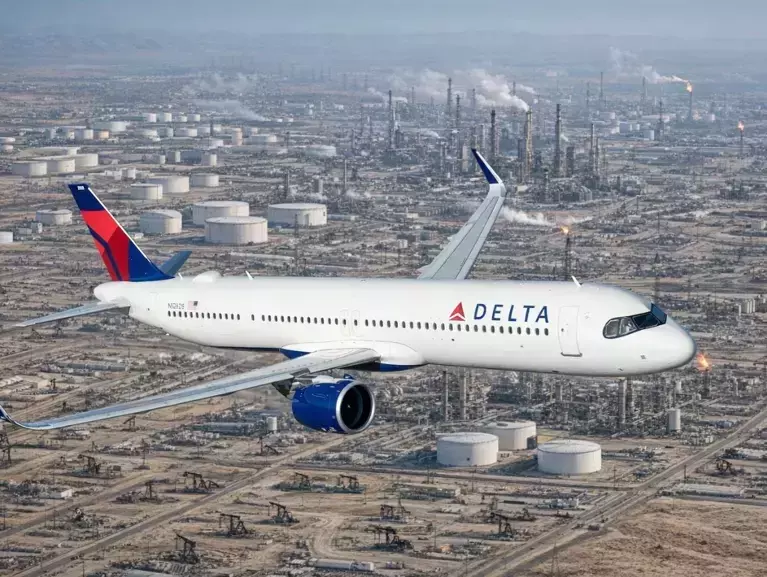
Delta Faces Fuel Cost Headwinds While Strong Passenger Demand Persists

Pope Leo XIV's Health Update and Papacy: A Comprehensive Overview
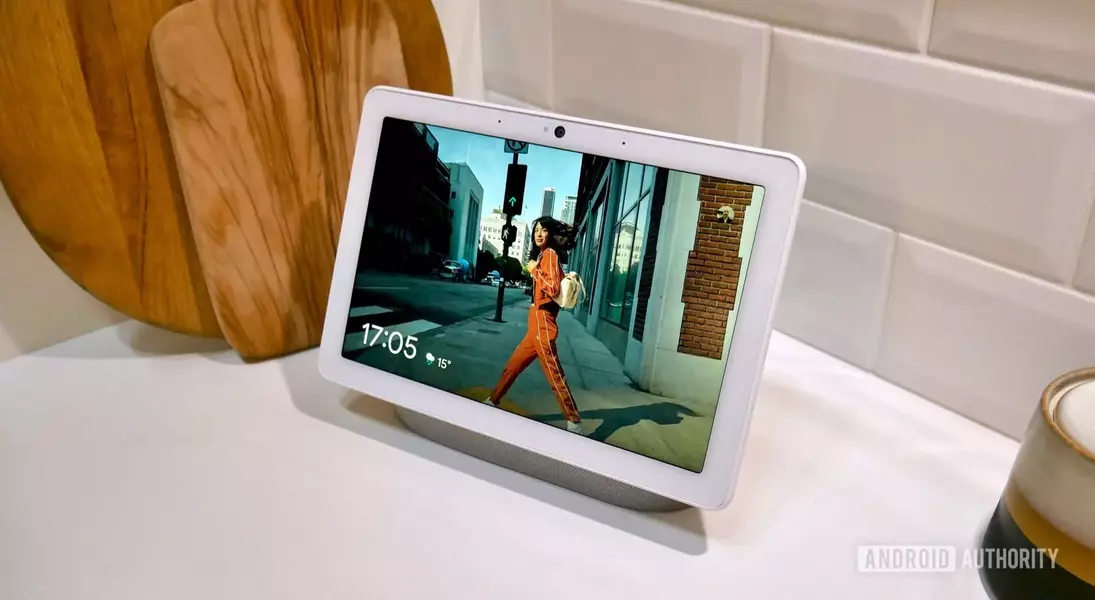
Google Home Users Report Smart Light Color Control Malfunctions

Smart Real Estate Investors Leverage HELOCs for Property Acquisition and Wealth Growth

US Weekly Jobless Claims Decline, Signaling Tight Labor Market
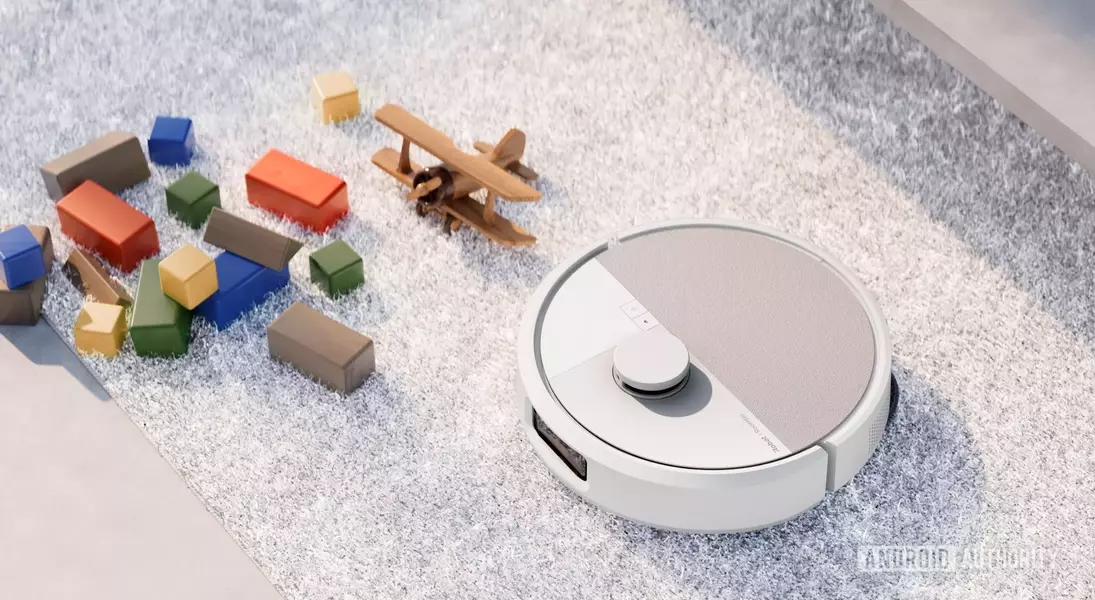
Significant Price Drop on iRobot Roomba 505 Combo at Amazon

Trump Administration Secures 0 Million in Compute Credits for AI Science Initiative
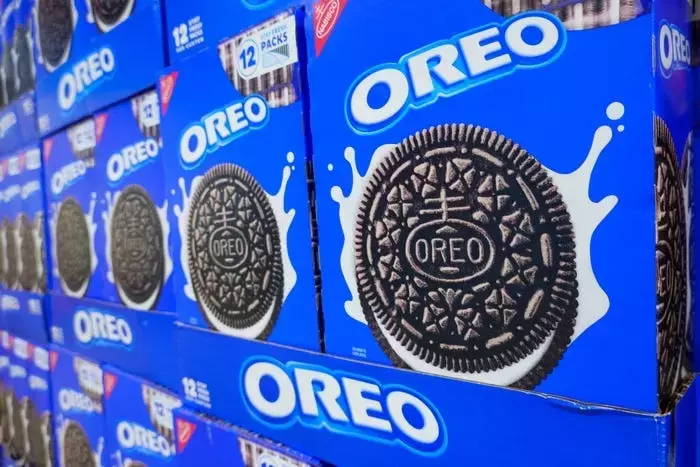
The 'Oreogate' Phenomenon: A Viral Sensation or a Clever AI Marketing Ploy?
BMW's In-Car Spider-Man Ad Campaign Sparks Debate

TerraMaster D1 SSD Pro: A Game Changer for Faster Rendering Speeds

Global Smartphone Market Hits 13-Year Low, Samsung Overtakes Apple Amid Memory Crisis
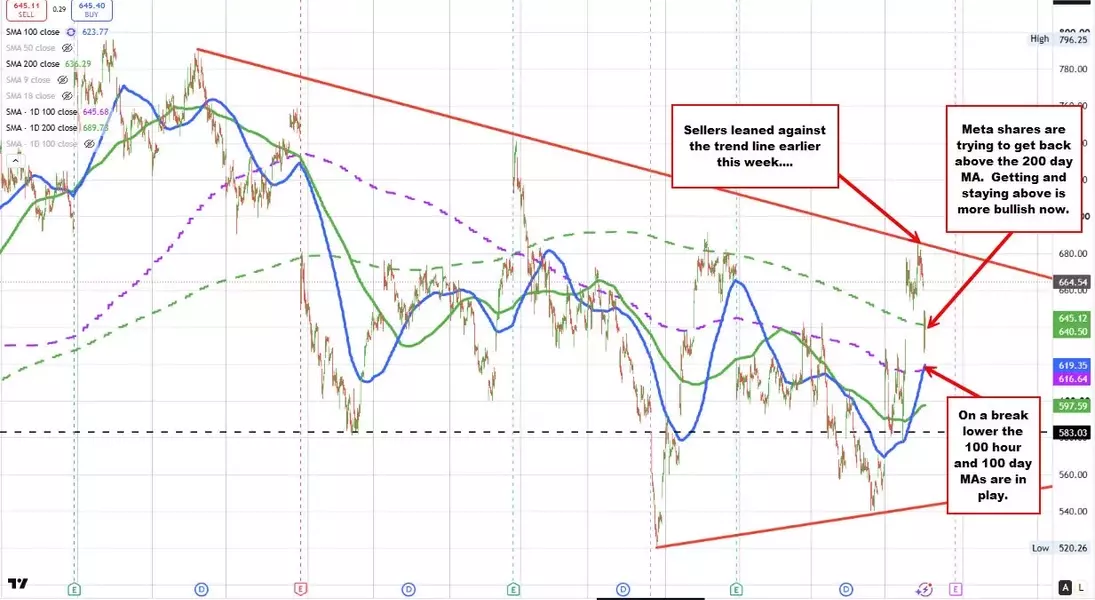
Meta Considers Multi-Billion Dollar AI Infrastructure Lease with Anthropic

Unlocking Android's Hidden Gems: Five Underrated Features for Enhanced Mobile Experience


