
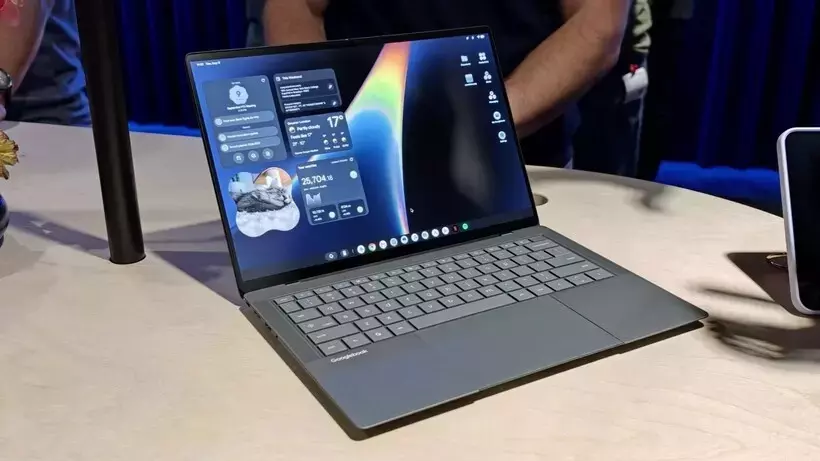
Google has initiated an essential update to address the long-standing compatibility issues between its innovative Googlebook laptops and Samsung Galaxy smartphones. This significant development finally enables the "Better Together" features for Samsung devices operating on One UI 9, which is built upon Android 17. The absence of these cross-device functionalities at the Googlebook's initial release was a major point of frustration for users, hindering the seamless integration experience that was promised. The rollout of this update is poised to significantly enhance user experience by fostering a more fluid interaction between their Samsung phones and Googlebook laptops.
The core of this improvement lies in the activation of four key "Better Together" features: 'Continue On,' 'Cast My Apps,' 'Quick Access,' and 'Notification Sync.' These tools are designed to streamline the workflow for users, allowing them to effortlessly transition between their mobile and laptop environments. Whether it's picking up an activity right where they left off on another device, effortlessly projecting phone applications onto the laptop screen, gaining rapid access to phone features, or ensuring notifications are synchronized across both platforms, these enhancements promise a more cohesive and productive digital ecosystem. The initial omission of these capabilities had led to considerable user dissatisfaction, with some early adopters even returning their Googlebook devices due to the lack of proper Samsung integration.
Beyond feature parity, Google is also tackling fundamental setup challenges that have plagued Googlebook users since its introduction. A new update for Google Play Services aims to simplify the initial pairing procedure, addressing a specific bug that caused the setup QR code to remain on screen even after a successful phone connection. These crucial updates are scheduled to be deployed automatically to devices over the coming days. For optimal and timely reception of these updates, Google advises users to keep their devices connected to Wi-Fi and actively charging.
It's important to note that certain prerequisites remain for users to fully benefit from these advancements. Samsung smartphones must be running Android 17, with the specific One UI 9 interface. Both the phone and the Googlebook laptop must be linked to the same personal Google Account, and Bluetooth and Wi-Fi connectivity are essential. Furthermore, users will need Google Play Services version 26.37 or newer and Cross-device services version 1.0.1346 or newer. To ensure a smooth setup process, Google suggests avoiding public or restricted Wi-Fi networks and temporarily disabling VPNs or DNS blockers if any pairing difficulties arise.
This long-awaited resolution brings significant relief to Samsung owners, for whom seamless phone integration is a cornerstone of the Googlebook experience. While these functionalities should ideally have been available from day one, Google's proactive step in rectifying these issues underscores its commitment to refining the user journey and delivering on the promise of a truly integrated device ecosystem.
Fox's Swift Roku Acquisition: Reshaping the Free Streaming Landscape

Canada's October Job Market: Unexpected Decline and Rising Unemployment
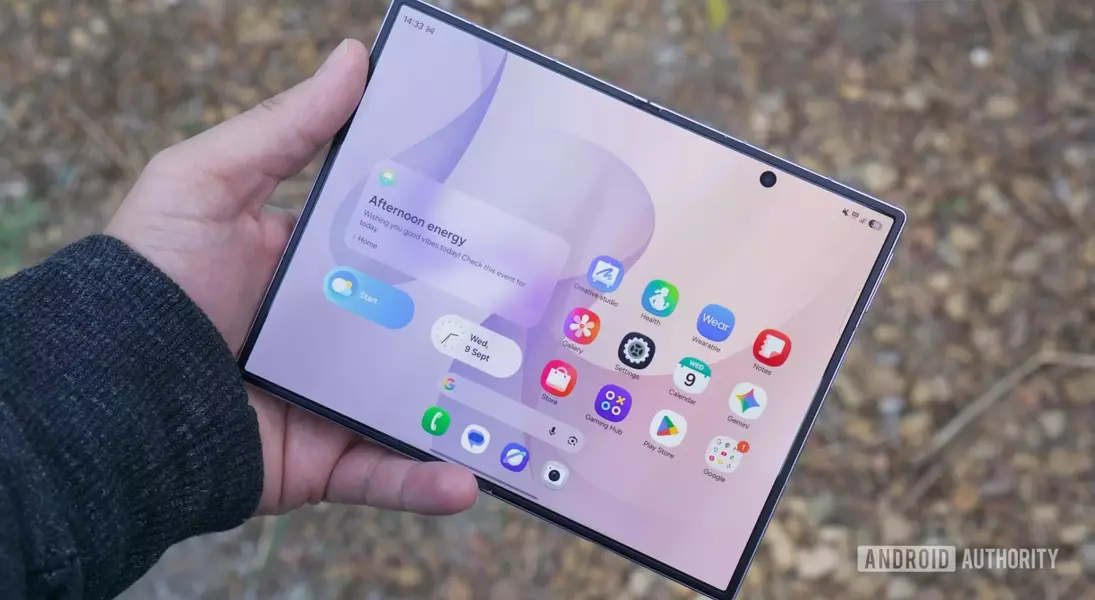
Samsung Galaxy Z Fold 8 Sees Significant Price Drop on Amazon
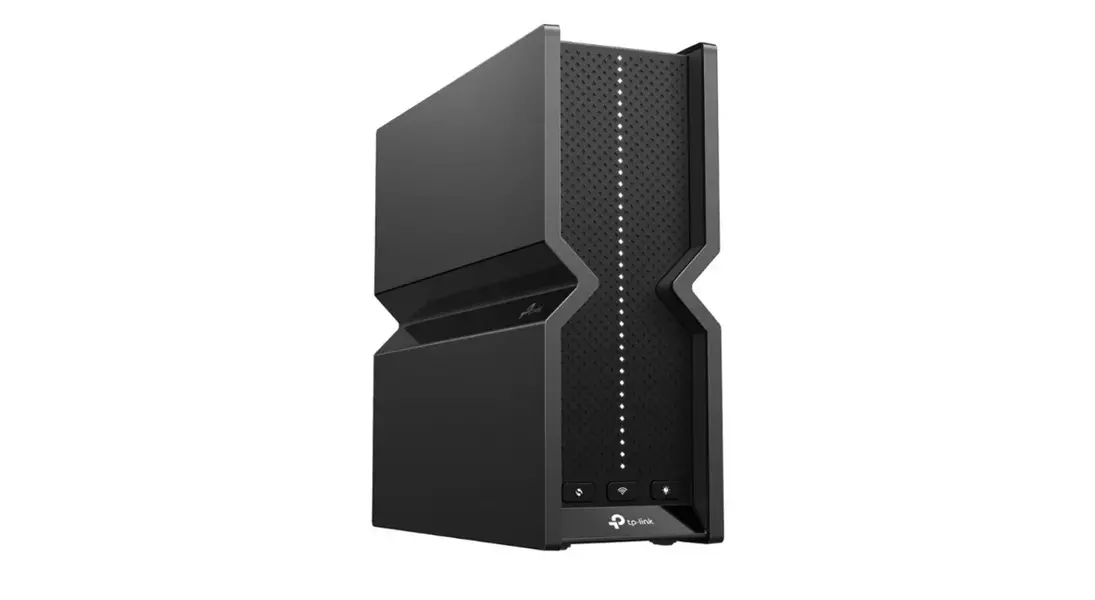
TP-Link Tri-Band Wi-Fi 7 Router Returns to All-Time Low Price

The Financial Strain of College Education on Middle-Class Families

SpaceX's Starlink Mobile Revolutionizes US Connectivity with Low-Band Spectrum and Next-Gen Satellites

NordVPN Basic: Secure Your Digital Life for Less Than £2 a Month

Delta Faces Fuel Cost Headwinds While Strong Passenger Demand Persists

Pope Leo XIV's Health Update and Papacy: A Comprehensive Overview
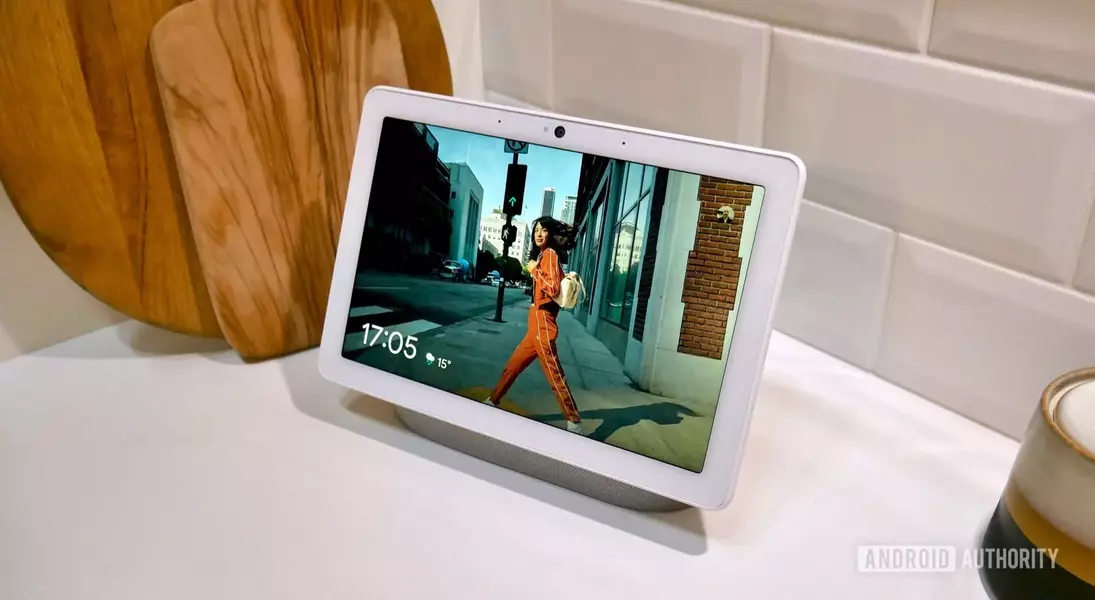
Google Home Users Report Smart Light Color Control Malfunctions

Smart Real Estate Investors Leverage HELOCs for Property Acquisition and Wealth Growth

US Weekly Jobless Claims Decline, Signaling Tight Labor Market
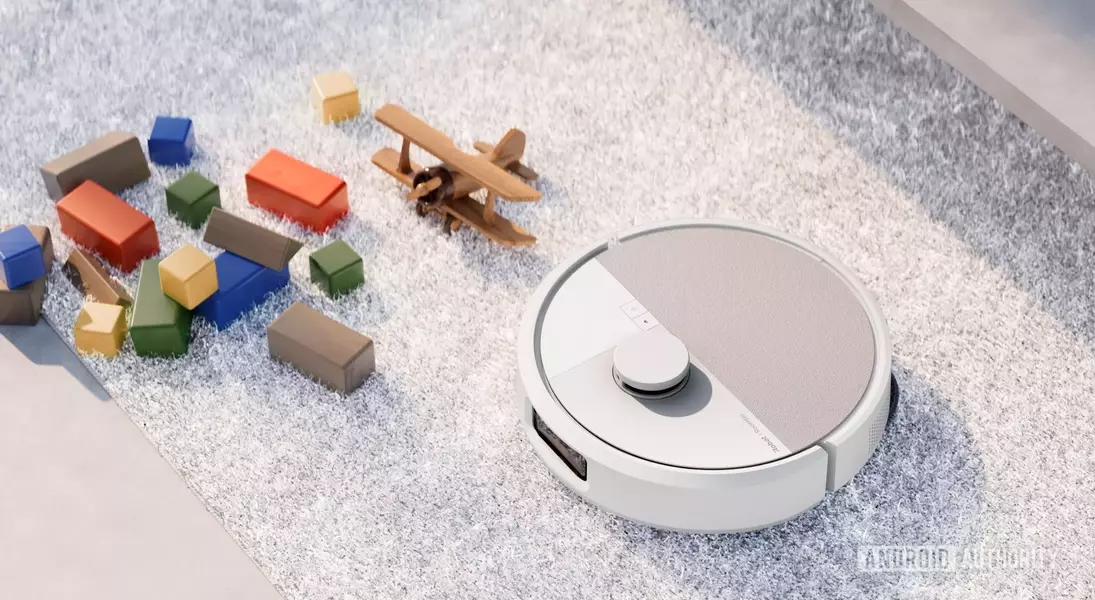
Significant Price Drop on iRobot Roomba 505 Combo at Amazon

Trump Administration Secures 0 Million in Compute Credits for AI Science Initiative
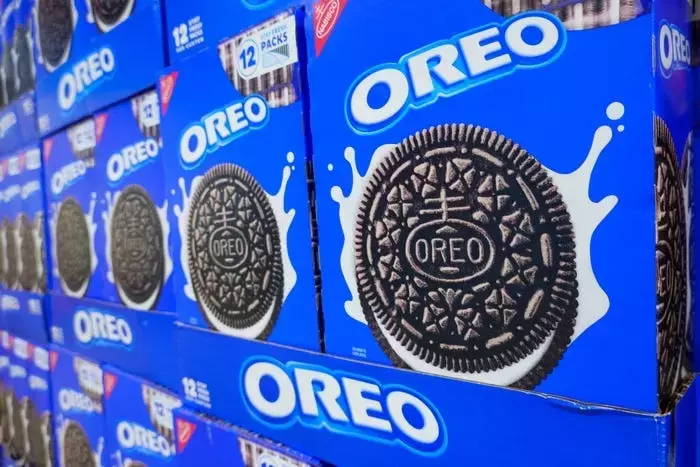
The 'Oreogate' Phenomenon: A Viral Sensation or a Clever AI Marketing Ploy?
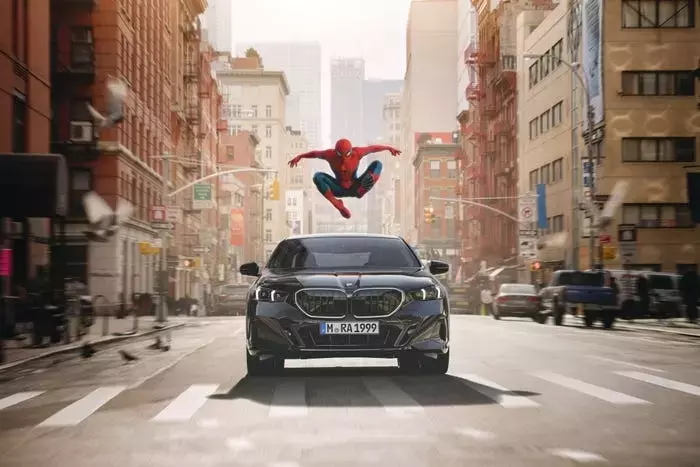
BMW's In-Car Spider-Man Ad Campaign Sparks Debate

TerraMaster D1 SSD Pro: A Game Changer for Faster Rendering Speeds
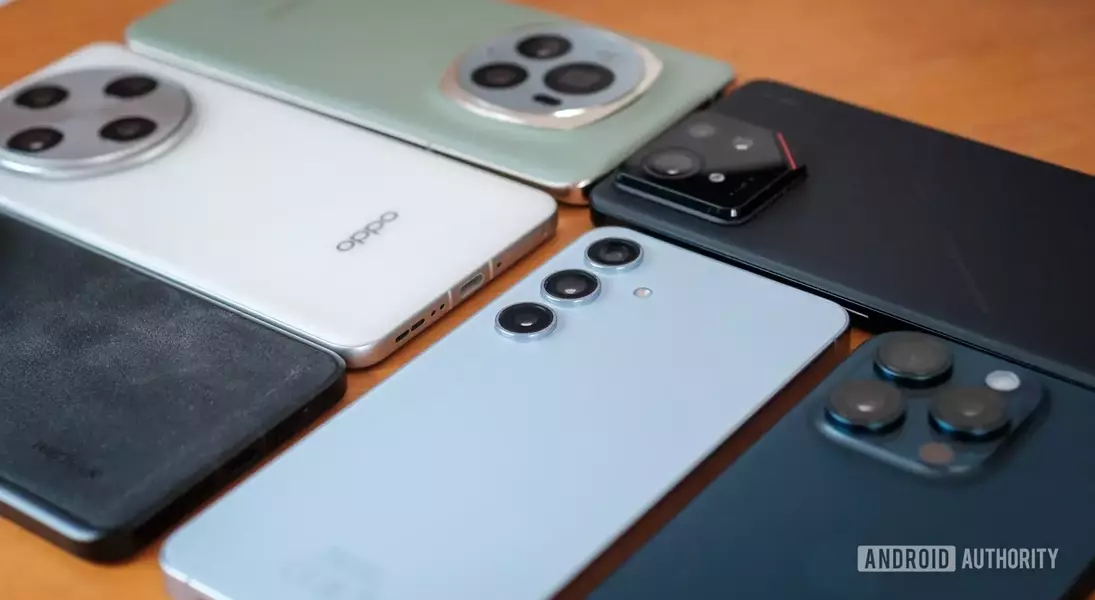
Global Smartphone Market Hits 13-Year Low, Samsung Overtakes Apple Amid Memory Crisis

Meta Considers Multi-Billion Dollar AI Infrastructure Lease with Anthropic
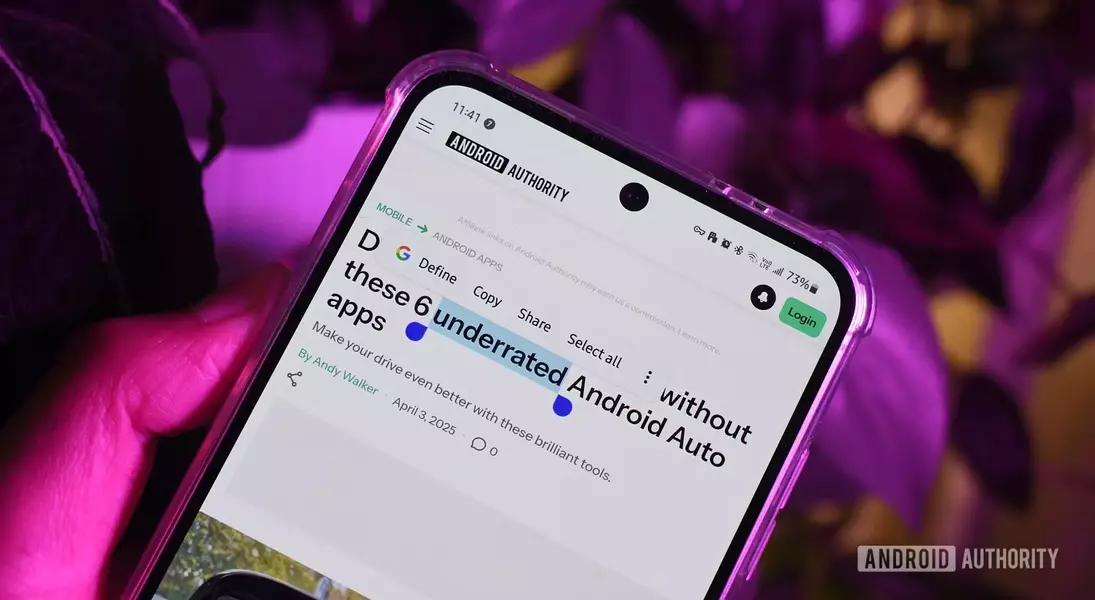
Unlocking Android's Hidden Gems: Five Underrated Features for Enhanced Mobile Experience


