

For the week concluding on September 26, 2026, the number of individuals filing for initial unemployment benefits in the United States reached 197,000. This figure represents a decrease from the revised previous week's total of 198,000 and came in below the market's expectation of 200,000 claims. Furthermore, the four-week moving average for these initial claims now stands at 200,000, a reduction from the prior average of 202,200. Concurrently, continuing claims, which track individuals receiving benefits beyond their initial application, registered 1.701 million, lower than both the expected 1.725 million and the previous 1.719 million. These statistics collectively point towards an exceptionally strong labor market, characterized by very low levels of layoffs and suggesting that the primary economic concern may lean more towards rising inflation and wages rather than widespread joblessness.
Initial jobless claims serve as a critical economic indicator, reflecting new applications for unemployment insurance across the United States. Compiled and released weekly by the Department of Labor, these reports offer a timely snapshot of changes in the labor market and the rate of layoffs. Their significance lies in their ability to detect shifts in employment trends often before comprehensive monthly payroll and unemployment data become available. It is important to note that these claims specifically measure the volume of new applications for benefits, not the overall count of unemployed individuals.
The previous week's report, showing 197,000 claims, positioned new unemployment applications at a historically low level. This trend implies a strong reluctance among employers to reduce their workforce. Such low figures are consistent with minimal layoffs, yet they do not necessarily indicate a booming hiring environment. Businesses might choose to retain their existing staff while scaling back on new recruitment, which could make it more challenging for those already unemployed to find new positions. Recognizing this distinction is crucial for accurately assessing the overall vitality of the labor market.
Weekly unemployment claims are subject to various influences, including public holidays, adverse weather conditions, industrial shutdowns, and the timing of benefit applications. While seasonal adjustments are implemented to mitigate the impact of predictable calendar-related variations, individual weekly reports can still exhibit considerable volatility. Consequently, economists typically prioritize the four-week moving average to discern whether observed changes represent a sustained trend rather than mere short-term noise. Revisions to previously released estimates also play a vital role in ensuring accurate comparisons across consecutive data releases.
Continuing claims provide additional context by tracking the number of individuals who continue to receive unemployment benefits after their initial application. When analyzed alongside initial claims, this data helps differentiate between an increase in layoffs and a persistent inability for job seekers to find new employment. For instance, a scenario with low initial claims but elevated continuing claims could suggest that while layoffs are contained, the process of securing new employment has become more difficult. This nuanced perspective is essential for a comprehensive understanding of labor market dynamics.
Given the previous reading of 197,000 initial claims, a slight uptick in the figures would not, by itself, indicate a significant downturn in employment conditions. A more definitive signal of a deteriorating labor market would be a sustained increase in claims over several consecutive weeks, especially if accompanied by sluggish payroll growth or a rise in the overall unemployment rate. Conversely, another week of low claims would further reinforce the evidence of limited layoffs, though it would leave open questions regarding the current pace of new hiring.

Fox's Swift Roku Acquisition: Reshaping the Free Streaming Landscape
Canada's October Job Market: Unexpected Decline and Rising Unemployment

Samsung Galaxy Z Fold 8 Sees Significant Price Drop on Amazon

TP-Link Tri-Band Wi-Fi 7 Router Returns to All-Time Low Price

The Financial Strain of College Education on Middle-Class Families
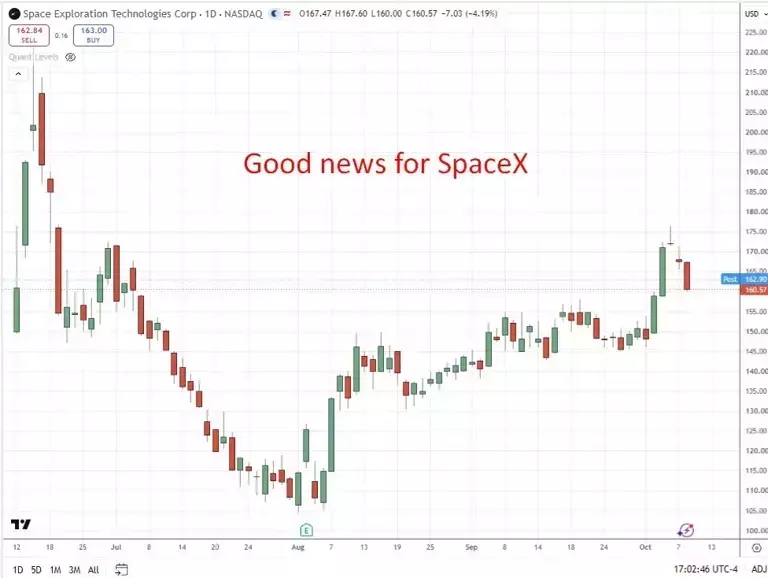
SpaceX's Starlink Mobile Revolutionizes US Connectivity with Low-Band Spectrum and Next-Gen Satellites

NordVPN Basic: Secure Your Digital Life for Less Than £2 a Month

Delta Faces Fuel Cost Headwinds While Strong Passenger Demand Persists

Pope Leo XIV's Health Update and Papacy: A Comprehensive Overview

Google Home Users Report Smart Light Color Control Malfunctions

Smart Real Estate Investors Leverage HELOCs for Property Acquisition and Wealth Growth
US Weekly Jobless Claims Decline, Signaling Tight Labor Market

Significant Price Drop on iRobot Roomba 505 Combo at Amazon

Trump Administration Secures 0 Million in Compute Credits for AI Science Initiative

The 'Oreogate' Phenomenon: A Viral Sensation or a Clever AI Marketing Ploy?

BMW's In-Car Spider-Man Ad Campaign Sparks Debate

TerraMaster D1 SSD Pro: A Game Changer for Faster Rendering Speeds

Global Smartphone Market Hits 13-Year Low, Samsung Overtakes Apple Amid Memory Crisis
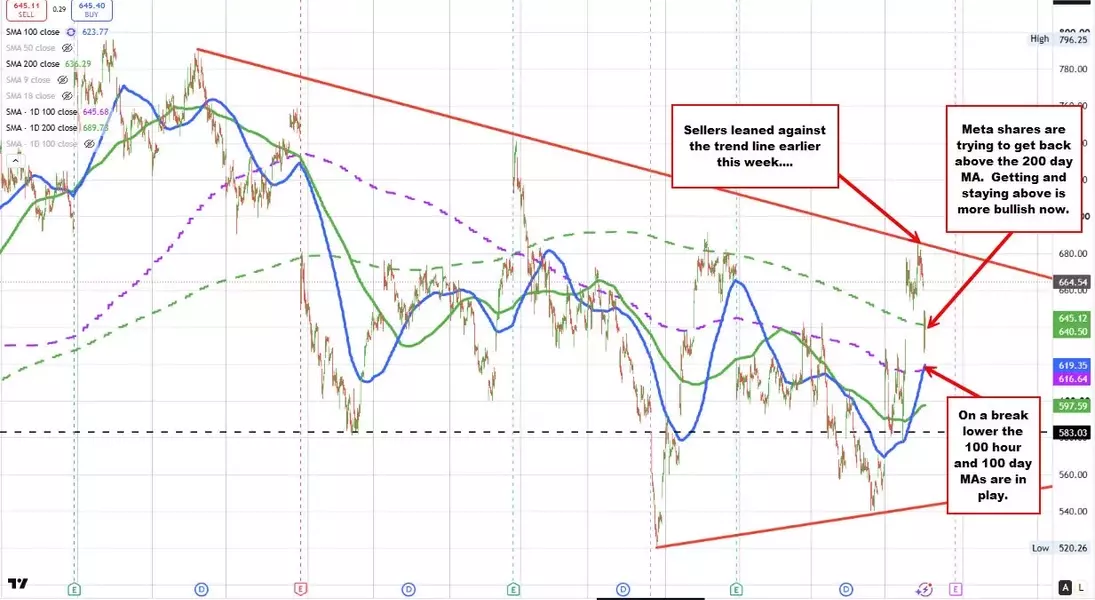
Meta Considers Multi-Billion Dollar AI Infrastructure Lease with Anthropic

Unlocking Android's Hidden Gems: Five Underrated Features for Enhanced Mobile Experience


