

Starlink Mobile is making significant strides towards becoming a major US wireless provider. SpaceX has entered into an agreement to procure a nationwide low-band spectrum portfolio, comprising up to 14 MHz of paired spectrum in the 800 MHz band. This acquisition effectively addresses a critical technical gap, enabling Starlink Mobile to offer robust indoor coverage. The significance of low-band spectrum lies in its ability to penetrate obstacles and travel greater distances, complementing Starlink Mobile's existing 2 GHz mid-band spectrum, which provides high-bandwidth capacity. The newly acquired 800 MHz band will enhance connectivity within buildings, and importantly, is compatible with most existing mobile devices. This dual-spectrum approach, combining satellite-to-mobile constellations with an advanced ground network, positions Starlink Mobile as the pioneering network operator to deploy both satellite and terrestrial spectrum, promising uninterrupted service in diverse environments, from densely populated cities to remote rural areas.
Adding to these advancements, the FCC has granted approval for 15,000 next-generation satellites for Starlink Mobile. This week's decision authorizes SpaceX to launch these V2 Starlink Mobile satellites, which are optimized for 2 GHz spectrum globally. These advanced satellites are projected to deliver more than 100 times the bandwidth of current generations, providing high-speed service directly to unmodified phones worldwide. Furthermore, the FCC has also approved the full range of backhaul bands (Ka/V/E/W) for Starlink's V3 broadband satellites, ensuring seamless integration with Starlink's established gateway network. This comprehensive upgrade in satellite technology, coupled with the strategic spectrum acquisition, solidifies Starlink Mobile's position as a formidable contender in the telecommunications landscape.
These monumental developments mark a pivotal shift for SpaceX, transforming it from a wholesale satellite partner into a direct competitor against established US wireless carriers. The company's innovative strategy to integrate low-band spectrum for improved indoor penetration and the deployment of a vast fleet of high-capacity satellites will empower individuals across the nation to remain connected, irrespective of their location. This advancement promises a future where reliable and high-speed mobile communication is accessible to all, bridging the digital divide and fostering a more interconnected society.

Fox's Swift Roku Acquisition: Reshaping the Free Streaming Landscape

Canada's October Job Market: Unexpected Decline and Rising Unemployment
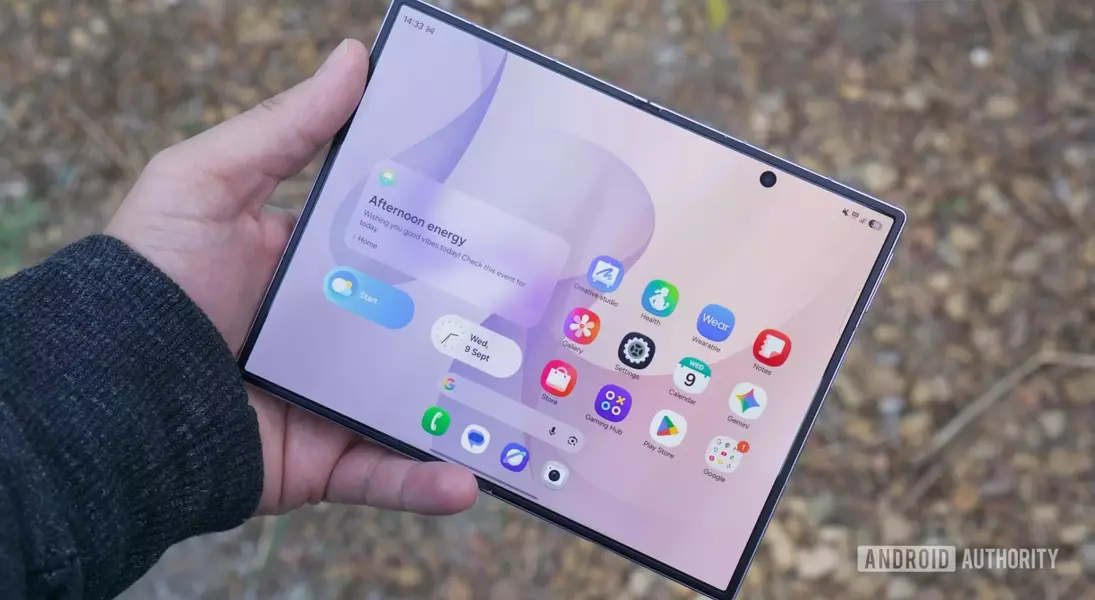
Samsung Galaxy Z Fold 8 Sees Significant Price Drop on Amazon
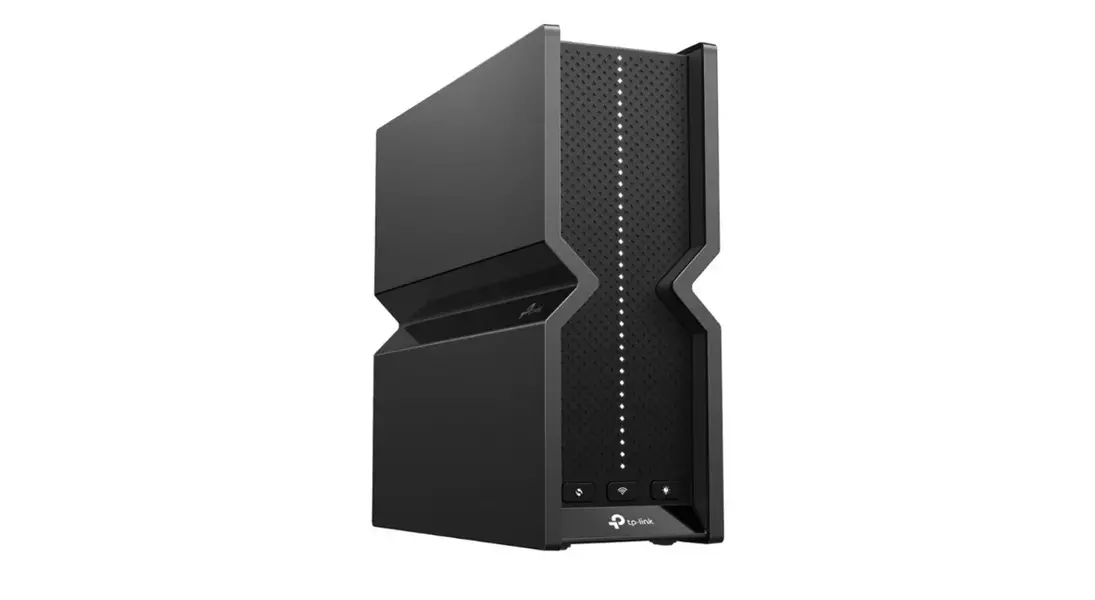
TP-Link Tri-Band Wi-Fi 7 Router Returns to All-Time Low Price

The Financial Strain of College Education on Middle-Class Families
SpaceX's Starlink Mobile Revolutionizes US Connectivity with Low-Band Spectrum and Next-Gen Satellites

NordVPN Basic: Secure Your Digital Life for Less Than £2 a Month

Delta Faces Fuel Cost Headwinds While Strong Passenger Demand Persists

Pope Leo XIV's Health Update and Papacy: A Comprehensive Overview

Google Home Users Report Smart Light Color Control Malfunctions

Smart Real Estate Investors Leverage HELOCs for Property Acquisition and Wealth Growth

US Weekly Jobless Claims Decline, Signaling Tight Labor Market

Significant Price Drop on iRobot Roomba 505 Combo at Amazon

Trump Administration Secures 0 Million in Compute Credits for AI Science Initiative

The 'Oreogate' Phenomenon: A Viral Sensation or a Clever AI Marketing Ploy?

BMW's In-Car Spider-Man Ad Campaign Sparks Debate

TerraMaster D1 SSD Pro: A Game Changer for Faster Rendering Speeds

Global Smartphone Market Hits 13-Year Low, Samsung Overtakes Apple Amid Memory Crisis

Meta Considers Multi-Billion Dollar AI Infrastructure Lease with Anthropic

Unlocking Android's Hidden Gems: Five Underrated Features for Enhanced Mobile Experience


