
The Android operating system, renowned for its extensive customization and versatile functionalities, harbors a wealth of features that often go unnoticed by the average user. Beyond the commonly utilized options like split-screen and quick sharing, a deeper dive reveals a suite of powerful yet underrated tools designed to enhance privacy, streamline connectivity, manage information, and boost overall productivity. These hidden gems, though sometimes buried within settings menus, offer profound benefits that can transform the daily mobile experience, making interactions more seamless and secure.
This comprehensive guide illuminates five such functionalities, providing a roadmap for Android users to unlock the full potential of their devices. By embracing these less-talked-about capabilities—ranging from advanced security measures to intelligent data handling—users can gain greater control over their digital environment and discover new levels of efficiency in their mobile usage. Understanding and implementing these features not only elevates the user's interaction with their device but also underscores the depth and ingenuity embedded within the Android ecosystem.
Among the Android operating system's diverse offerings, two particularly valuable yet underappreciated features stand out for their contribution to personal privacy and effortless connectivity: app pinning and Wi-Fi sharing via QR codes. App pinning provides a crucial layer of security, allowing users to restrict access to their device's broader functions when sharing their phone with others. This ensures that personal information remains safeguarded, granting peace of mind. Meanwhile, the ability to share Wi-Fi network credentials through a simple QR code streamlines the process of connecting guests, eliminating the need for manually entering complex passwords and significantly enhancing user convenience.
App pinning is an indispensable tool for maintaining data privacy, especially when lending your device to a friend or family member. By 'pinning' a specific application to the screen, you prevent others from navigating to different apps, accessing personal messages, or browsing sensitive information. If an attempt is made to exit the pinned application, the device requires a security unlock, such as a fingerprint or PIN, ensuring that only the owner can regain full control. This feature is particularly useful for situations like showing photos or letting someone play a game without concerns about unsolicited access to private data. To activate this, users typically navigate to their device's security settings, enable 'App pinning,' and then, from the recent apps screen, select the pin option for the desired application. This robust security measure transforms casual phone sharing into a worry-free experience. Similarly, the QR code Wi-Fi sharing function dramatically simplifies connecting visitors to your home network. Instead of reciting long, complex passwords, users can generate a QR code directly from their Wi-Fi settings. Guests simply scan this code with their device, and they are instantly connected, bypassing the tedious manual entry. This not only saves time and reduces frustration but also enhances the overall convenience for both the host and the guest, embodying an elegant solution to a common modern-day dilemma. This feature, typically found under 'Network & internet' settings, exemplifies how Android prioritizes user-friendly solutions for everyday interactions.
Android offers several sophisticated features that significantly improve how users manage and interact with information on their devices, yet these often remain outside the mainstream awareness. Notification history is a prime example, serving as an invaluable repository for all past alerts, ensuring that no critical message or app update is ever missed, even if accidentally dismissed. Complementing this is the integrated document scanner, transforming the smartphone into a portable office tool capable of digitizing physical documents with remarkable ease. Furthermore, the intelligent text selection capability goes far beyond basic copying, offering context-aware actions that streamline daily tasks, whether it's making a call, locating an address, or scheduling an event.
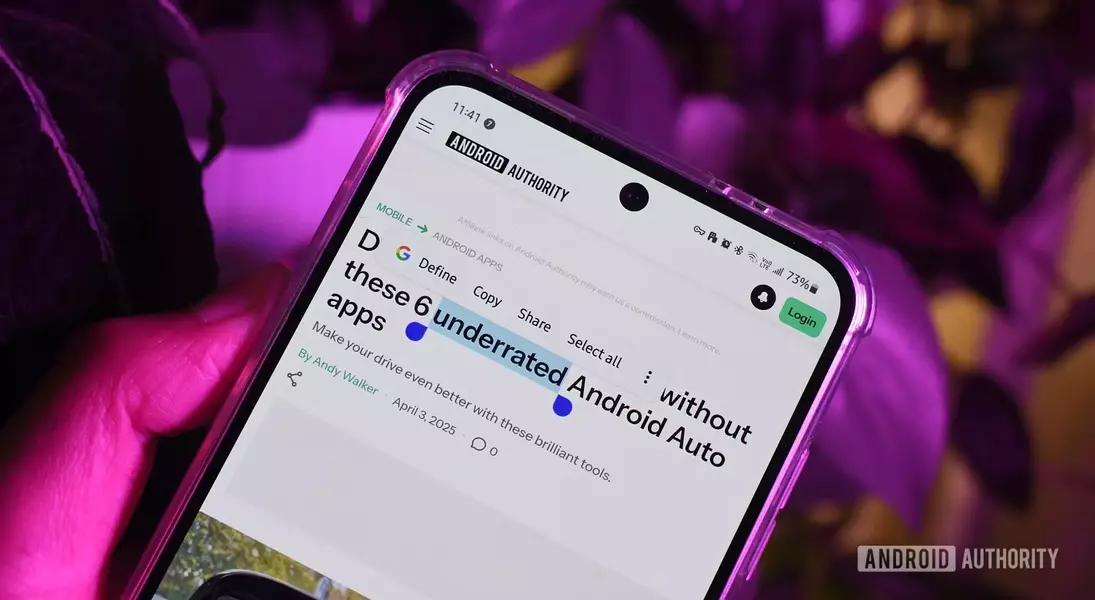
The notification history feature acts as a crucial safeguard against the accidental dismissal of important alerts. In a world saturated with digital pings, it's easy to swipe away a notification without fully processing its content. This feature meticulously logs every notification received, allowing users to revisit past alerts at their convenience. Whether it's a forgotten message, a news update, or an app-specific notification, the history provides a reliable backup, ensuring nothing slips through the cracks. Accessing it is straightforward, usually available from the notification shade itself, sometimes requiring an initial activation in settings. This capacity to review past notifications is a cornerstone of effective information management in a fast-paced digital environment. Moreover, the built-in document scanner eradicates the need for traditional scanners, empowering users to quickly convert physical documents into digital formats. By simply positioning the document in front of the camera, the scanner intelligently identifies its edges, captures a clear image, and often converts it directly into a PDF, ready for sharing or cloud storage. This feature is a boon for professionals and students alike, offering unparalleled convenience for digitizing receipts, contracts, or notes on the go. Its integration into many Android devices, particularly those with strong Google Drive or cloud service integration, exemplifies the platform's commitment to versatile functionality. Lastly, the smart text selection feature transforms simple text highlighting into an interactive and highly efficient process. Beyond merely copying text, this intelligent tool recognizes specific data types such as phone numbers, addresses, and dates, presenting immediate, context-relevant actions. For instance, selecting a phone number instantly prompts the option to call it, an address offers a direct link to mapping applications, and a date may suggest creating a calendar event. This predictive functionality significantly reduces the steps required to perform common tasks, showcasing Android's sophisticated understanding of user intent and its dedication to streamlining daily digital interactions, making it an indispensable asset for rapid information processing.

Fox's Swift Roku Acquisition: Reshaping the Free Streaming Landscape

Canada's October Job Market: Unexpected Decline and Rising Unemployment
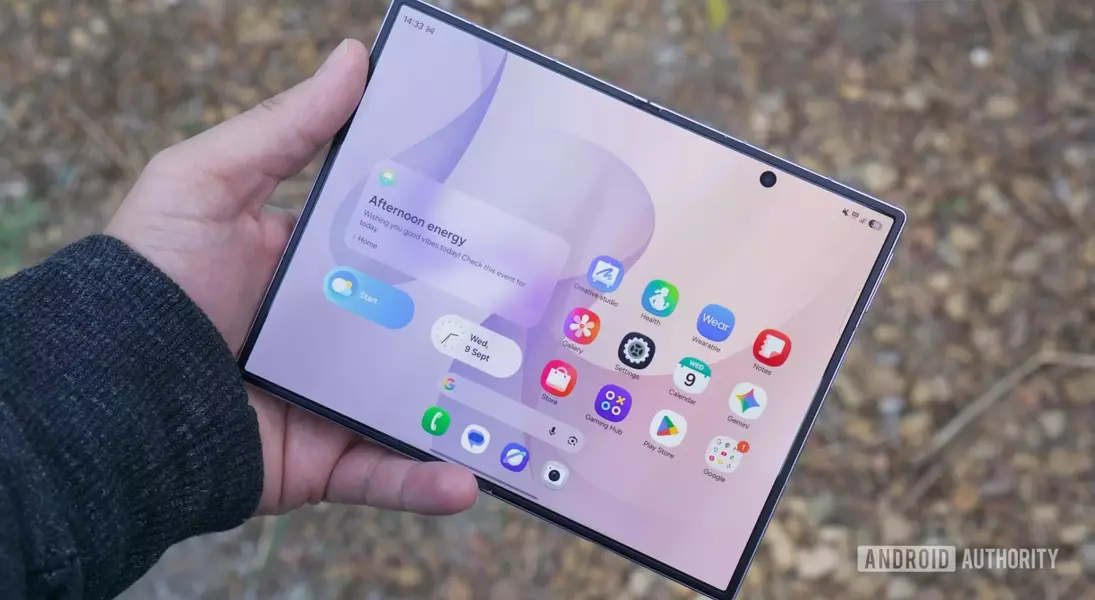
Samsung Galaxy Z Fold 8 Sees Significant Price Drop on Amazon

TP-Link Tri-Band Wi-Fi 7 Router Returns to All-Time Low Price

The Financial Strain of College Education on Middle-Class Families

SpaceX's Starlink Mobile Revolutionizes US Connectivity with Low-Band Spectrum and Next-Gen Satellites

NordVPN Basic: Secure Your Digital Life for Less Than £2 a Month

Delta Faces Fuel Cost Headwinds While Strong Passenger Demand Persists

Pope Leo XIV's Health Update and Papacy: A Comprehensive Overview

Google Home Users Report Smart Light Color Control Malfunctions

Smart Real Estate Investors Leverage HELOCs for Property Acquisition and Wealth Growth

US Weekly Jobless Claims Decline, Signaling Tight Labor Market

Significant Price Drop on iRobot Roomba 505 Combo at Amazon

Trump Administration Secures 0 Million in Compute Credits for AI Science Initiative

The 'Oreogate' Phenomenon: A Viral Sensation or a Clever AI Marketing Ploy?

BMW's In-Car Spider-Man Ad Campaign Sparks Debate

TerraMaster D1 SSD Pro: A Game Changer for Faster Rendering Speeds

Global Smartphone Market Hits 13-Year Low, Samsung Overtakes Apple Amid Memory Crisis

Meta Considers Multi-Billion Dollar AI Infrastructure Lease with Anthropic
Unlocking Android's Hidden Gems: Five Underrated Features for Enhanced Mobile Experience


