
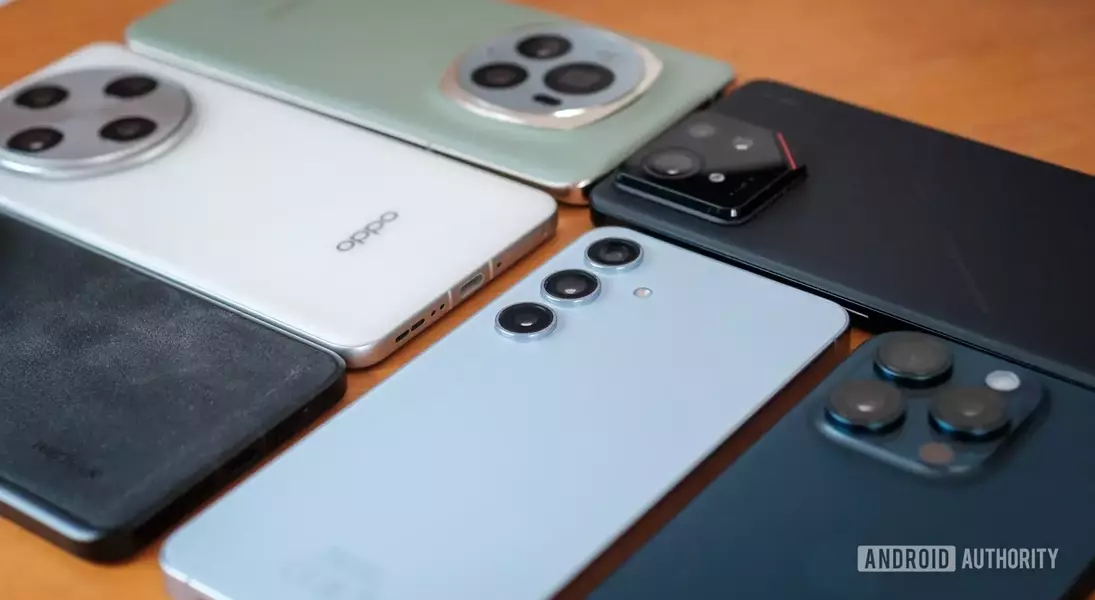
The worldwide smartphone market experienced a substantial contraction, with shipments in the second quarter of 2026 reaching their lowest point since 2013. This sharp decline, an 11% year-over-year drop, is largely attributed to a persistent scarcity of crucial DRAM and NAND memory chips. Manufacturers are facing heightened production costs as chip suppliers prioritize the booming demand from AI data centers over consumer electronics. This shift has compelled many smartphone companies to increase prices, particularly for budget and mid-range devices, where profit margins are already narrow. Additional pressures come from elevated shipping expenses, inflationary trends, and a general reduction in consumer purchasing power.
Despite the overall market downturn, Samsung successfully regained its position as the leading smartphone brand, capturing a 24% global market share. The company demonstrated the strongest year-over-year growth among the top five manufacturers. Samsung's success can be attributed to several strategic moves, including maintaining stable pricing in key markets like India and the Middle East, implementing aggressive seasonal promotions, and witnessing robust demand for its Galaxy S26 series. The Galaxy S26 Ultra, in particular, with its advanced privacy display and AI-enhanced functionalities, played a pivotal role in offsetting softer demand in lower-priced segments.
Apple managed to maintain a strong presence, increasing its shipments by 3% year-over-year and achieving a record 20% market share for the quarter. Notably, Apple was the only major smartphone manufacturer that did not raise prices amidst the industry-wide cost pressures. While the company continues to face hurdles in the Chinese market, the iPhone 17 series remains a top-seller globally. Apple also prioritized component allocation for its newer devices, impacting the availability of older iPhone models.
The second quarter proved to be particularly difficult for other significant players in the smartphone market. Xiaomi, OPPO, and vivo all experienced double-digit declines in shipments. The rising cost of memory components disproportionately affected the entry-level and mid-range device segments, where these brands have a strong foothold. OPPO and vivo concluded the quarter with 11% and 8% market shares, respectively, while Xiaomi managed to retain its 12% share through strategic portfolio adjustments and enhanced retailer financing. Google, though not in the top five, saw its shipments increase by 16% thanks to the Pixel 10 and Pixel 10a, and Huawei's shipments rose by 6% due to the success of its Mate 80, Nova 15, and Enjoy 90 series.
Counterpoint Research anticipates that the current challenges will persist, forecasting a global smartphone shipment decline of approximately 14% for the entire year. The research firm suggests that memory shortages are likely to continue into 2027, indicating a prolonged period of difficulty for the smartphone industry.

Fox's Swift Roku Acquisition: Reshaping the Free Streaming Landscape

Canada's October Job Market: Unexpected Decline and Rising Unemployment
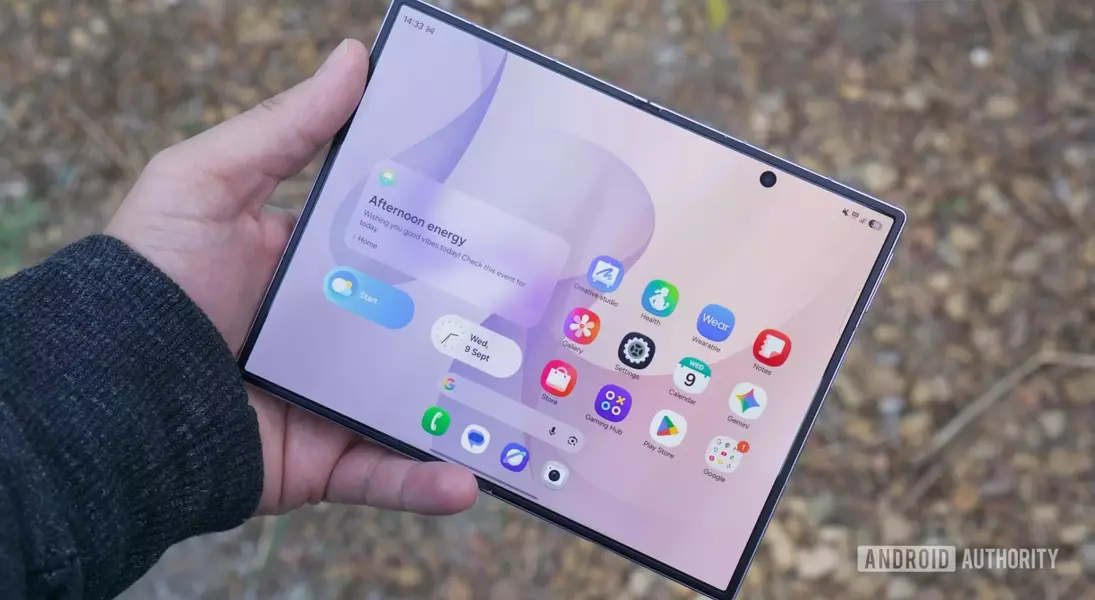
Samsung Galaxy Z Fold 8 Sees Significant Price Drop on Amazon
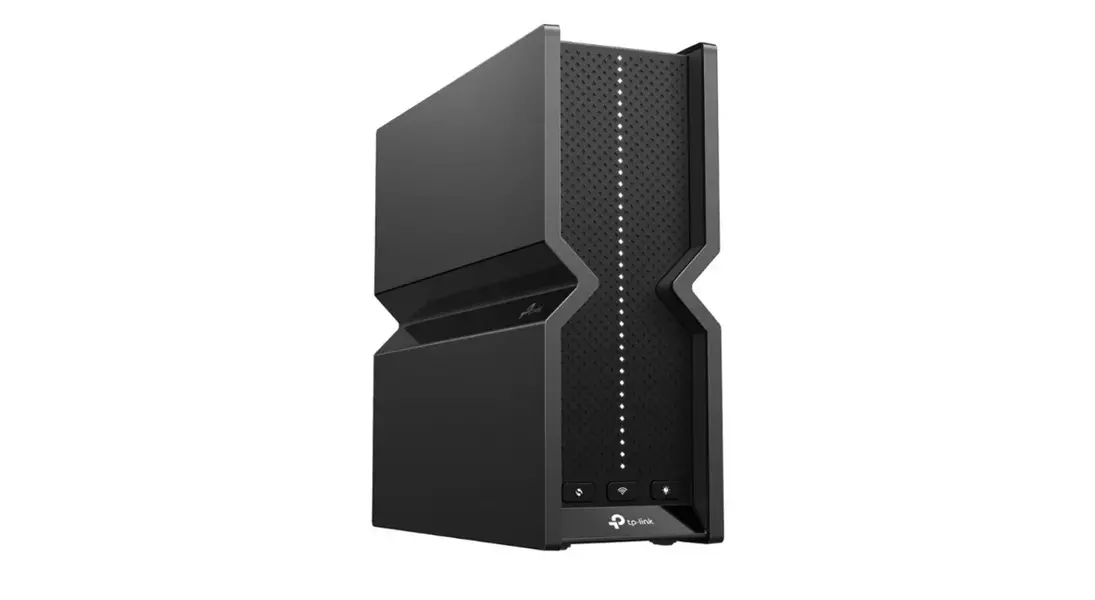
TP-Link Tri-Band Wi-Fi 7 Router Returns to All-Time Low Price

The Financial Strain of College Education on Middle-Class Families
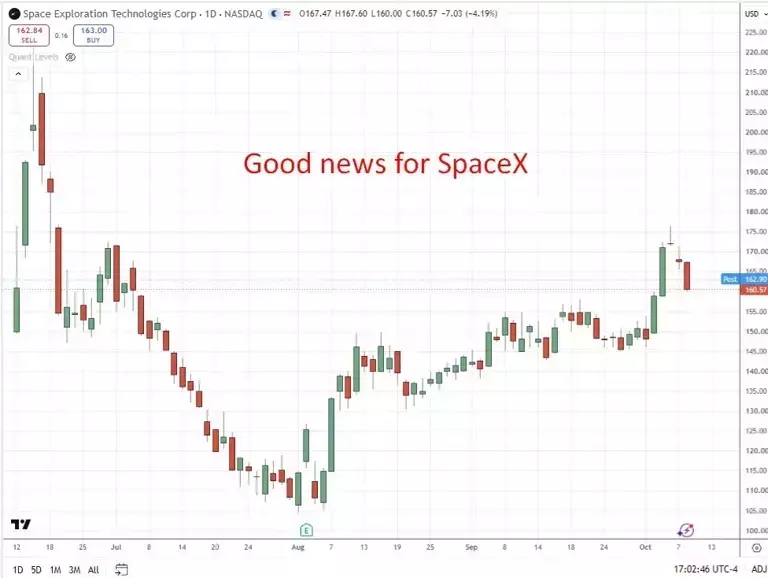
SpaceX's Starlink Mobile Revolutionizes US Connectivity with Low-Band Spectrum and Next-Gen Satellites

NordVPN Basic: Secure Your Digital Life for Less Than £2 a Month

Delta Faces Fuel Cost Headwinds While Strong Passenger Demand Persists

Pope Leo XIV's Health Update and Papacy: A Comprehensive Overview
Google Home Users Report Smart Light Color Control Malfunctions

Smart Real Estate Investors Leverage HELOCs for Property Acquisition and Wealth Growth

US Weekly Jobless Claims Decline, Signaling Tight Labor Market
Significant Price Drop on iRobot Roomba 505 Combo at Amazon

Trump Administration Secures 0 Million in Compute Credits for AI Science Initiative
The 'Oreogate' Phenomenon: A Viral Sensation or a Clever AI Marketing Ploy?

BMW's In-Car Spider-Man Ad Campaign Sparks Debate

TerraMaster D1 SSD Pro: A Game Changer for Faster Rendering Speeds
Global Smartphone Market Hits 13-Year Low, Samsung Overtakes Apple Amid Memory Crisis
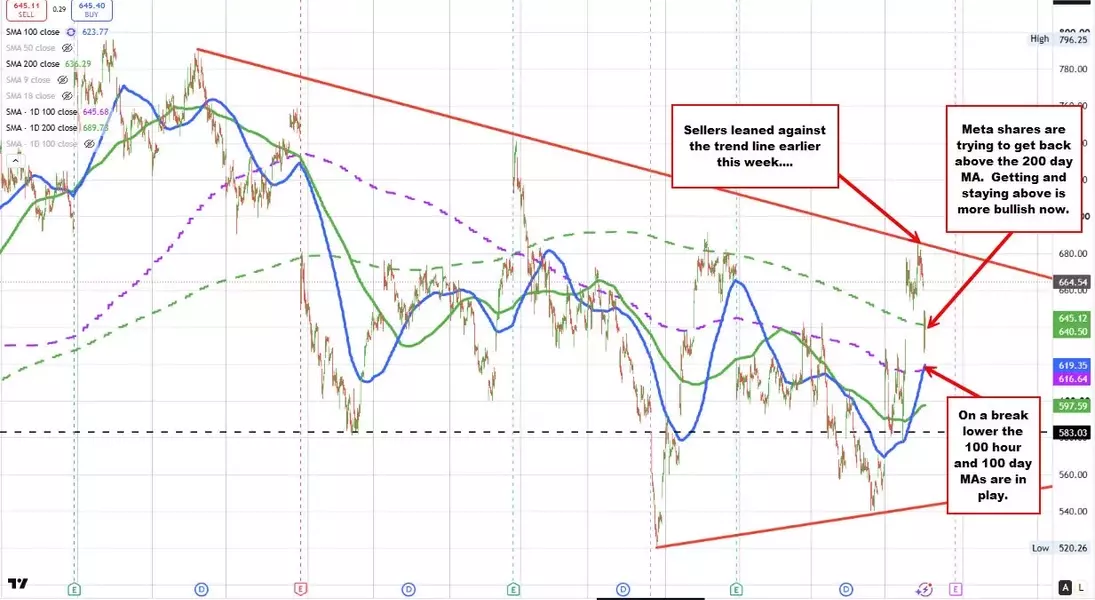
Meta Considers Multi-Billion Dollar AI Infrastructure Lease with Anthropic

Unlocking Android's Hidden Gems: Five Underrated Features for Enhanced Mobile Experience


