
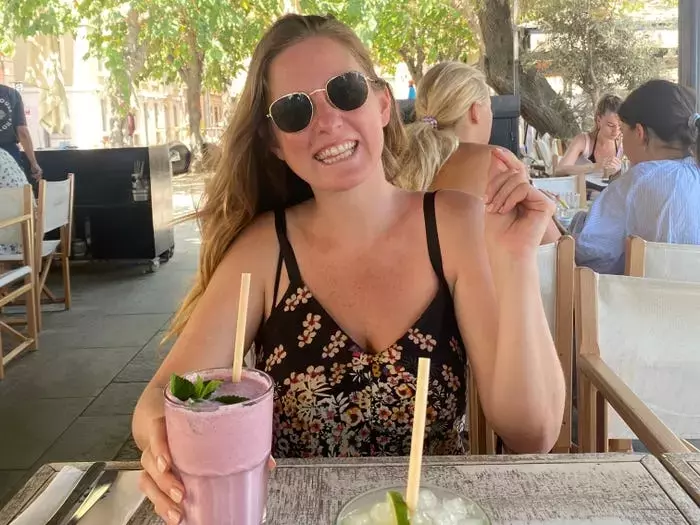
When first settling in Barcelona, an American found herself clashing with the local rhythm of life. During a lunch break, a seemingly simple task of getting a key duplicated turned into a frustrating ordeal. She raced through the city streets, only to find the locksmith shop closed for a midday break, a common practice in Spain. This initial encounter, compounded by many similar experiences, left her feeling unproductive and exasperated, a stark contrast to the 24/7 convenience she was accustomed to in Los Angeles.
The cultural shift from a fast-paced, always-on lifestyle to one prioritizing rest and specific operating hours presented a significant challenge. In Los Angeles, errands could be run at almost any hour, with supermarkets and medical offices operating around the clock. Barcelona, however, introduced her to the concept of midday siestas and widespread Sunday closures, which initially felt like obstacles to efficiency. This forced her to rethink her approach to daily tasks, moving from spontaneous errands to deliberate planning. Over time, this adaptation, though initially unwelcome, unexpectedly led to improved focus and efficiency, as she learned to space out her responsibilities rather than cramming them into limited windows.
After six years, what once seemed like a hindrance transformed into a source of personal contentment and enhanced well-being. The initial annoyance at restricted business hours gave way to an appreciation for the slower pace of life. Lunch breaks evolved from rushed errands to opportunities for genuine relaxation, reading, or leisurely walks. Sundays became dedicated to rest, family time, and unwinding, rather than a frantic race to complete chores. This forced deceleration ultimately reduced stress, increased mindfulness, and paradoxically, boosted overall productivity, proving that a life lived at a more measured pace can lead to greater fulfillment and a deeper appreciation for the present moment.
Embracing cultural differences and adapting to new rhythms can unlock unexpected pathways to personal growth and well-being. This journey from initial frustration to profound satisfaction highlights the universal truth that sometimes, the 'worst' parts of a new experience can ultimately become the most rewarding, teaching us the invaluable art of slowing down and savoring life's moments. It underscores the importance of flexibility and an open mind, demonstrating how challenges can evolve into profound opportunities for a richer, more balanced existence.

Fox's Swift Roku Acquisition: Reshaping the Free Streaming Landscape

Canada's October Job Market: Unexpected Decline and Rising Unemployment

Samsung Galaxy Z Fold 8 Sees Significant Price Drop on Amazon

TP-Link Tri-Band Wi-Fi 7 Router Returns to All-Time Low Price

The Financial Strain of College Education on Middle-Class Families

SpaceX's Starlink Mobile Revolutionizes US Connectivity with Low-Band Spectrum and Next-Gen Satellites

NordVPN Basic: Secure Your Digital Life for Less Than £2 a Month

Delta Faces Fuel Cost Headwinds While Strong Passenger Demand Persists

Pope Leo XIV's Health Update and Papacy: A Comprehensive Overview

Google Home Users Report Smart Light Color Control Malfunctions

Smart Real Estate Investors Leverage HELOCs for Property Acquisition and Wealth Growth
US Weekly Jobless Claims Decline, Signaling Tight Labor Market

Significant Price Drop on iRobot Roomba 505 Combo at Amazon

Trump Administration Secures 0 Million in Compute Credits for AI Science Initiative

The 'Oreogate' Phenomenon: A Viral Sensation or a Clever AI Marketing Ploy?

BMW's In-Car Spider-Man Ad Campaign Sparks Debate

TerraMaster D1 SSD Pro: A Game Changer for Faster Rendering Speeds

Global Smartphone Market Hits 13-Year Low, Samsung Overtakes Apple Amid Memory Crisis

Meta Considers Multi-Billion Dollar AI Infrastructure Lease with Anthropic

Unlocking Android's Hidden Gems: Five Underrated Features for Enhanced Mobile Experience


