
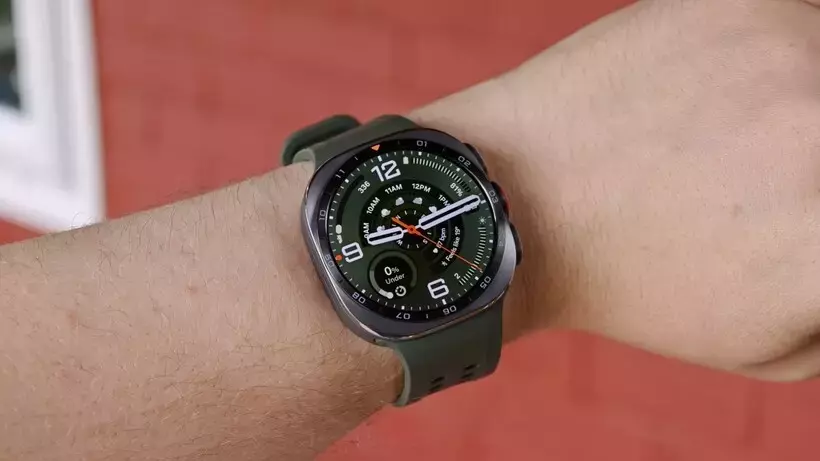
Samsung is set to roll out a major enhancement to its sleep apnea detection capabilities for a range of its Galaxy wearable devices. This advanced feature, powered by an artificial intelligence algorithm, will offer users a more in-depth understanding of breathing irregularities experienced during sleep, moving beyond simple detection to provide a comprehensive analysis.
In a significant development for personal health monitoring, Samsung announced that its improved sleep apnea detection feature will become available in November 2026. This advanced system is designed to provide users of select Galaxy smartwatches and the Galaxy Ring with a more granular view of their sleep patterns, specifically focusing on breathing disturbances. The update leverages an AI-driven algorithm to quantify the number of breathing irregularities per hour, offering insights that were not available with the previous basic detection system, first introduced by Samsung in 2024.
To generate comprehensive results, users will need to record a minimum of five hours of sleep on two separate occasions within a ten-day window. Samsung explicitly states that while this technology offers valuable data for understanding sleep health, it is not intended to substitute a professional medical diagnosis. Individuals experiencing symptoms of sleep apnea should always seek advice from a healthcare professional.
The enhanced detection feature will first launch in South Korea in November 2026, following official approval from the country's Ministry of Food and Drug Safety. Key devices that will receive this upgrade include the cutting-edge Galaxy Watch Ultra 2, the popular Galaxy Watch 9, and the innovative Galaxy Ring. Furthermore, the technology has also secured approval from the FDA in the United States, with a release date for American consumers anticipated soon. Samsung also plans to extend this updated functionality to older models, such as the Galaxy Watch 7 and Galaxy Watch 8, via a future software update, provided these devices are operating on Wear OS 7.0 or a later version. This commitment ensures that a broader user base can benefit from the sophisticated sleep monitoring capabilities without needing to purchase the very latest hardware. The original sleep apnea detection feature will continue to be available on existing supported devices, including the Galaxy Watch 4 and subsequent models, even after the rollout of this new, more advanced version.
The introduction of this enhanced sleep apnea detection feature by Samsung represents a progressive step in personal health technology. By providing more detailed insights into nocturnal breathing patterns, users are empowered with information that can encourage proactive health management. While it's crucial to remember that wearables offer screening tools rather than definitive diagnoses, their ability to track subtle physiological changes continuously makes them invaluable. This development not only highlights the growing sophistication of wearable tech but also emphasizes the potential of AI in translating complex biological data into understandable and actionable health insights. For consumers, it means greater awareness of their sleep health, potentially leading to earlier intervention for conditions like sleep apnea, which can have significant long-term health implications. This innovation serves as a powerful reminder of how technology can genuinely improve quality of life by fostering a more informed and health-conscious society.

Fox's Swift Roku Acquisition: Reshaping the Free Streaming Landscape

Canada's October Job Market: Unexpected Decline and Rising Unemployment
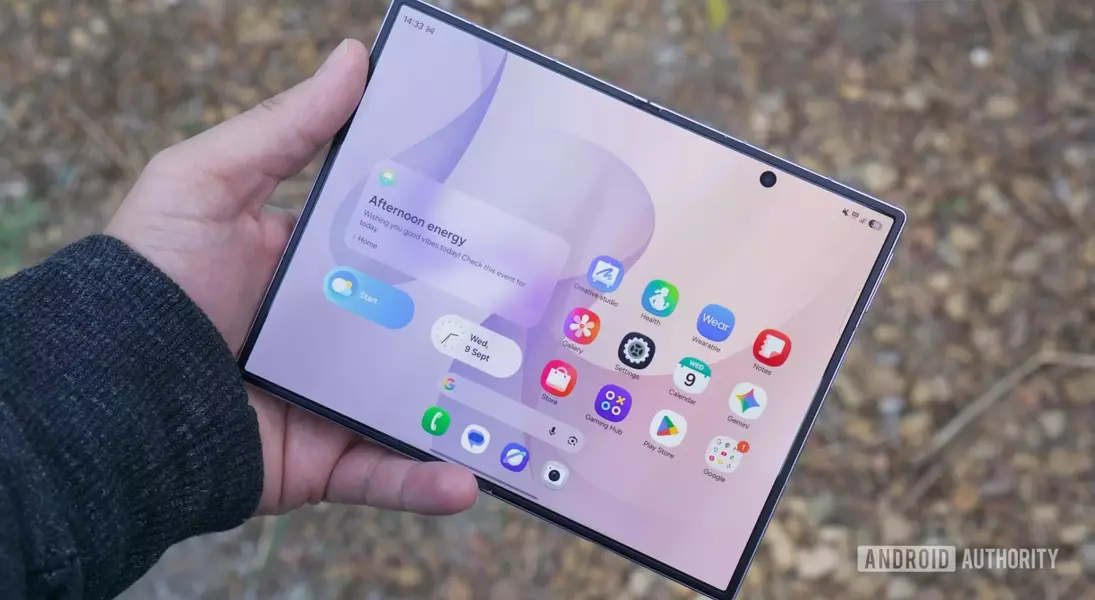
Samsung Galaxy Z Fold 8 Sees Significant Price Drop on Amazon
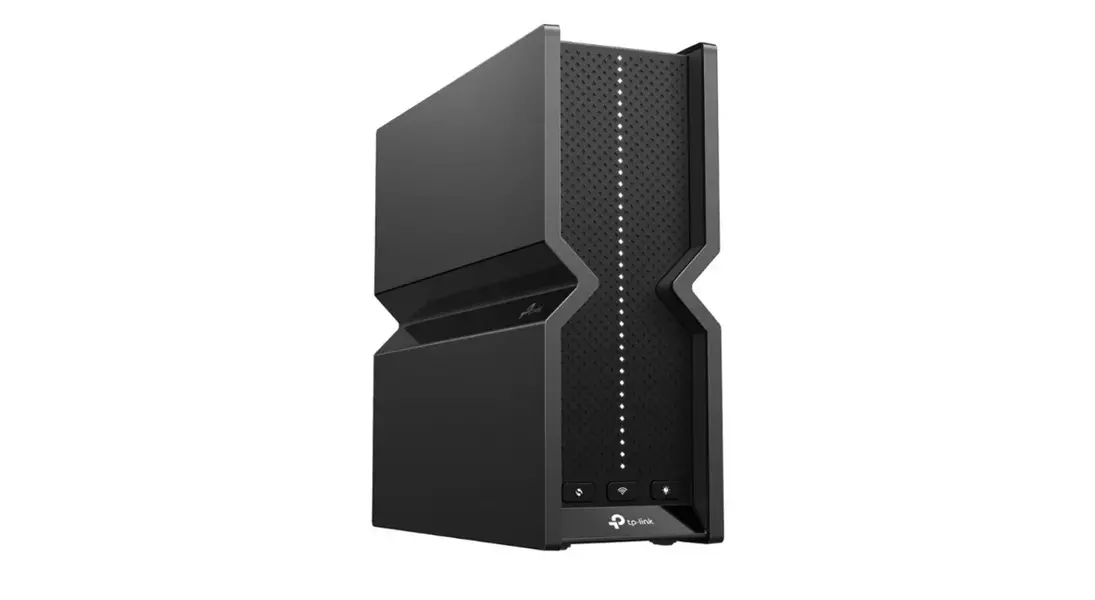
TP-Link Tri-Band Wi-Fi 7 Router Returns to All-Time Low Price

The Financial Strain of College Education on Middle-Class Families

SpaceX's Starlink Mobile Revolutionizes US Connectivity with Low-Band Spectrum and Next-Gen Satellites

NordVPN Basic: Secure Your Digital Life for Less Than £2 a Month

Delta Faces Fuel Cost Headwinds While Strong Passenger Demand Persists

Pope Leo XIV's Health Update and Papacy: A Comprehensive Overview
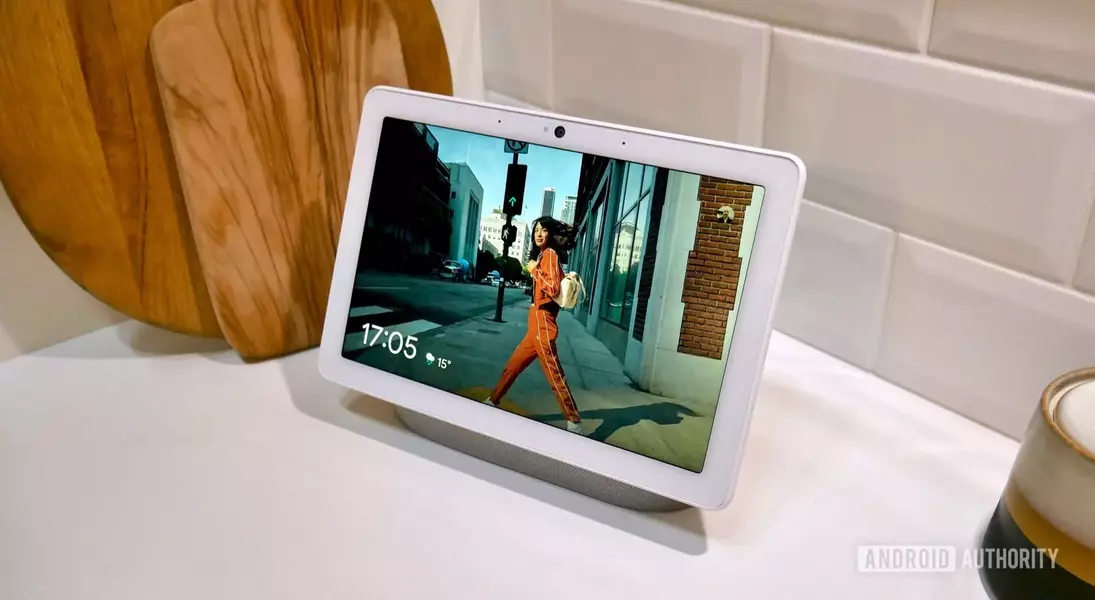
Google Home Users Report Smart Light Color Control Malfunctions

Smart Real Estate Investors Leverage HELOCs for Property Acquisition and Wealth Growth

US Weekly Jobless Claims Decline, Signaling Tight Labor Market
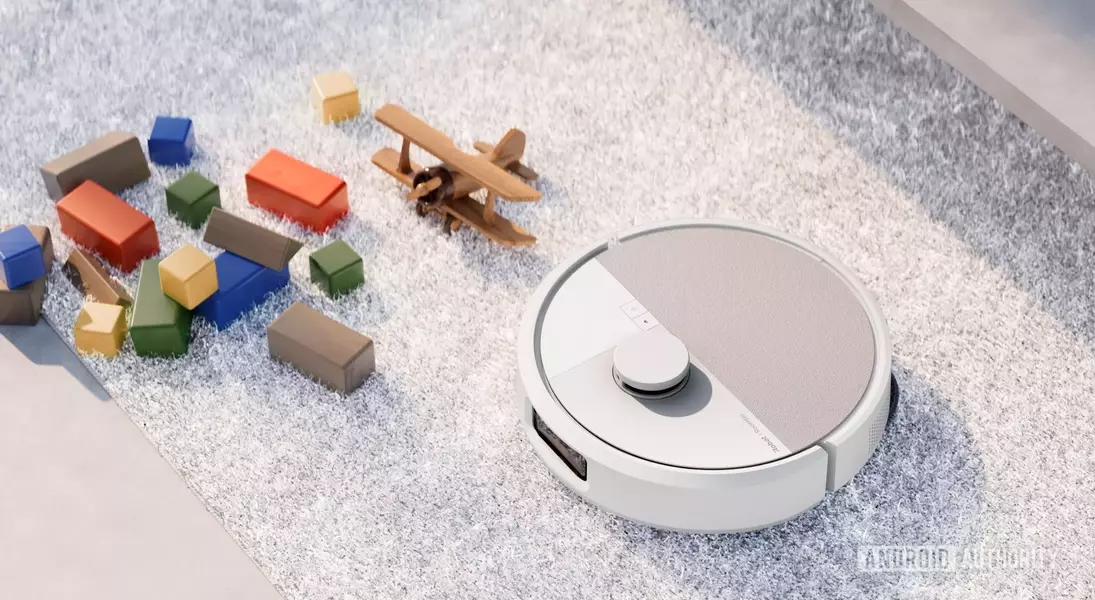
Significant Price Drop on iRobot Roomba 505 Combo at Amazon

Trump Administration Secures 0 Million in Compute Credits for AI Science Initiative
The 'Oreogate' Phenomenon: A Viral Sensation or a Clever AI Marketing Ploy?

BMW's In-Car Spider-Man Ad Campaign Sparks Debate

TerraMaster D1 SSD Pro: A Game Changer for Faster Rendering Speeds
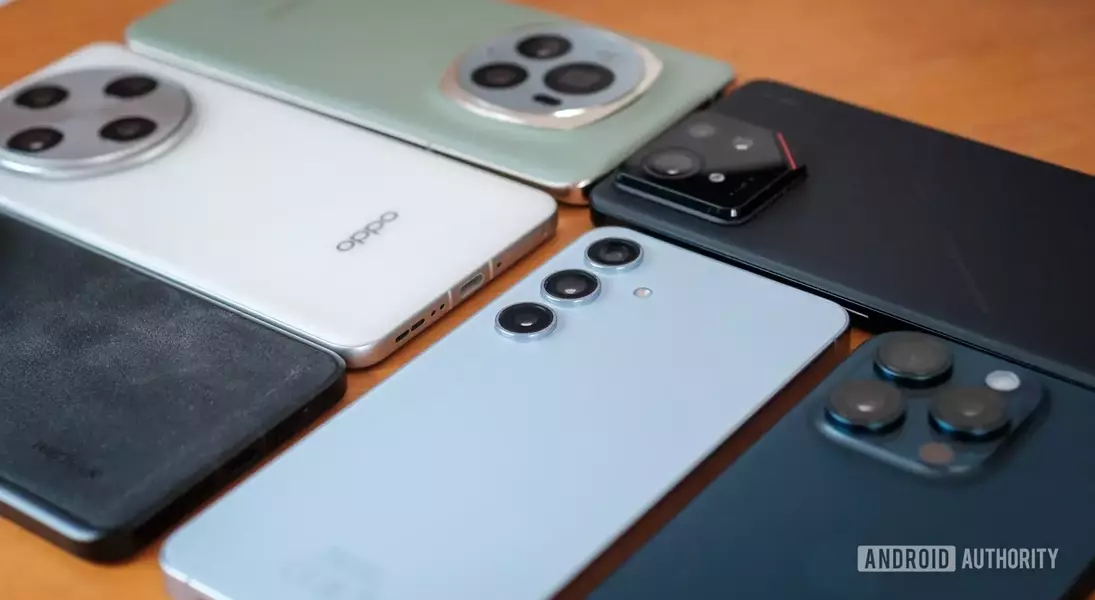
Global Smartphone Market Hits 13-Year Low, Samsung Overtakes Apple Amid Memory Crisis
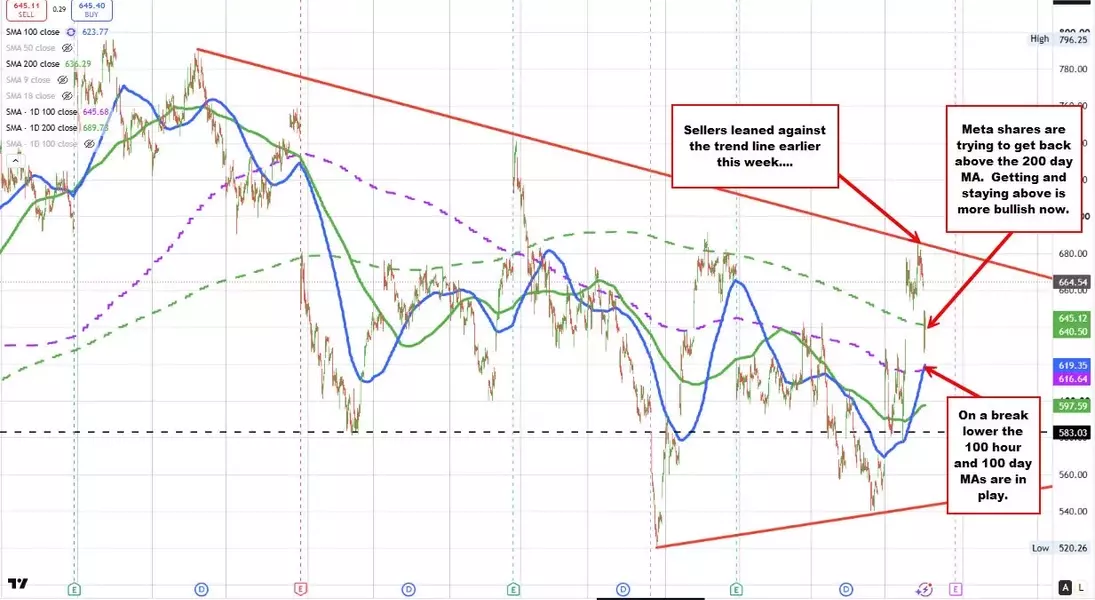
Meta Considers Multi-Billion Dollar AI Infrastructure Lease with Anthropic
Unlocking Android's Hidden Gems: Five Underrated Features for Enhanced Mobile Experience


